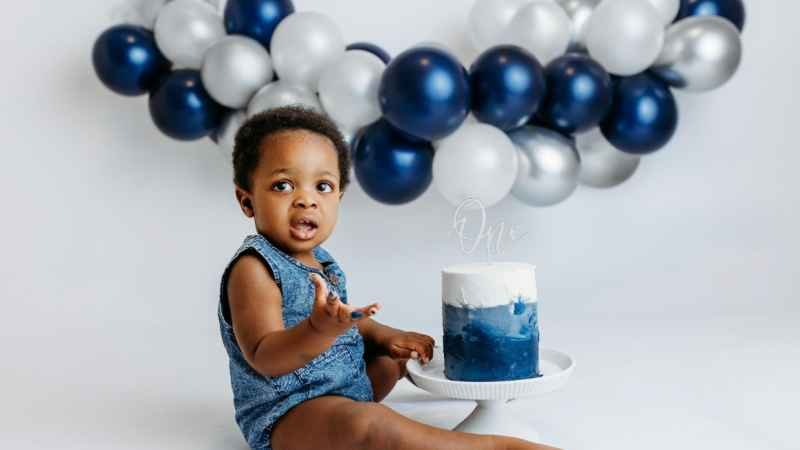
Tiny Trends in Celebrated Baby Rites
From towering wedding cakes to grand graduation ceremonies, humans have always marked significant life events with particular attention and care. Yet, there exists a quieter but equally fascinating sphere of rituals that merits examination: baby rites. These early celebratory traditions, both playful and profound, are evolving in curious ways around the globe.
Emphasis on Minimalism
The days of elaborate baby festivities adorned with an overwhelming assortment of decorative knick-knacks are dwindling. Instead, there’s a shift towards simplicity, reflecting broader societal inclinations towards minimalism. Parents are opting for muted hues over dazzling pastels, modest gatherings often replace extravagant parties. This lean towards less is more could signal a continued redefinition of parental priorities, emphasizing intimacy over ostentation.
Moreover, these pared-down celebrations often focus on creating memorable experiences rather than accumulating physical tokens. A gathering at a park with a close-knit circle of family and friends or a picnic by a favorite riverbank emphasizes shared moments over showy displays. The minimalistic approach ensures that the essence of the celebration—the joy of welcoming a child—isn’t overshadowed by material excess, fostering genuine connections.
As parents design these celebrations with a personal touch, many are choosing themes that complement their gatherings without complicating them. Thoughtfully selected first birthday party themes for girls or boys can add charm and cohesion while keeping the focus on meaningful moments and celebrating the milestone.
Gender Reveals under Scrutiny
A baby rite that once captured widespread enthusiasm, gender reveal parties are seeing their sheen fade in the light of increasing societal criticism. They’ve become suspect amid discussions about gender fluidity and non-binary identities. What was once a carefree, festive moment for soon-to-be parents now occasionally faces backlash for propagating binary norms. Despite this, the allure of the dramatic confetti cannon or cutting of a color-coded cake continues to hold sway over some quarters. For many, tweaking these parties, perhaps by celebrating “baby reveals” instead, aims to find common ground.
In addition, the conversation around gender reveals has prompted some families to explore other creative and inclusive ways of celebrating. There is a rise in “values reveal” parties, where parents share their hopes, dreams, and values rather than focusing on the baby being blue or pink. This conscious shift allows parents to impart meaningful aspects of life to their unborn child, encouraging a community to invest in the child’s overall growth and happiness rather than merely their gender.
Cultural Fusion in Naming Ceremonies
Globalization has reached even the sacred precincts of naming ceremonies, as modern parents blend diverse cultural influences. A child named Maya may have roots linking to Hindu traditions, while being inspired by American literature. This hybridization is deliberate; a bid to honor various heritages and imbue a child’s identity with the richness of multiple cultural tapestries.
As families continue to intertwine diverse cultures, these ceremonies often include elements from both traditional and contemporary practices. Whether it’s a mix of blessings from elders or incorporating songs from various heritages, these naming ceremonies become a tapestry of cultural celebration. They stand as a testimony to how intergenerational and intercultural understandings can harmoniously dwell within the same family, creating a narrative that promises to echo through the years.
Modern Fables and Storytelling
Storytelling, a timeless rite of passage in many cultures, is being revised to suit the new-age audience. Modern parents are infusing fables with contemporary messages, often reaching back into their cultural heritage to revive and retell tales. The increased emphasis on stories focusing on diversity, kindness, and innovation suggests that baby rites are not just about tradition but also a reflection of current values.
Personalizing the Ordinary
From personalized lullabies to bespoke baby blankets, today’s parents are seeking singularity in their child’s early rituals. There lies a sentiment of love and unique care in creating something distinctly personal to welcome the new member of the family. This shift towards personalization in baby rites reveals a deeper connection between tradition and individualism, representing today’s nuanced parental aspirations.
Sustainability in Baby Showers
A more substantive change is the increasing focus on sustainability within baby showers. The growing awareness of environmental conservation has led parents to favor eco-conscious practices. From cloth diaper drives to plant-based caterings, the green influence is pervasive and reflective of a rising consciousness that children should inherit not just memories, but a healthier planet, too.
Efforts to reduce waste are changing the face of conventional baby showers. Instead of gifting a multitude of new items, guests are encouraged to contribute second-hand treasures or hand-crafted gifts. Supporting local artisans or inviting guests to partake in “experience” gifts, like a future day-out adventure, enriches the newborn’s life while keeping the planet in mind. These practices gently nudge communities towards collective sustainability.
The Digital Influence
With every aspect of life being touched by the internet, baby rites are also conducted online for those unable to attend physically. Virtual baby showers, where guests join from the comfort of their homes, expand inclusivity while bridging distances. This tech-driven approach allows for a blend of traditional hosting with futuristic customization, offering a fresh perspective on remembering new beginnings in the age of screens.
Interestingly, the advent of technology has also brought an eco-friendly dimension to these digital celebrations. The absence of physical travel and reduced material consumption not only aligns with sustainable goals but also democratizes access, allowing loved ones from across the globe to participate in the joy in real-time. In a sense, the bridging of digital and tangible worlds creates a unique harmony between efficiency and warmth in celebrating a new life.
In conclusion, while baby rites may ostensibly seem the territory of past customs, current trends indicate their dynamism. As these ceremonies evolve, they provide intriguing insights into contemporary societal values and the ongoing dialogue between tradition and modernity.